I’ll never forget the first weekend of October 2023, when I dove into the Call of Duty: Modern Warfare 3 beta on PlayStation. The air was thick with anticipation—we were getting our hands on a direct sequel to MW2, and everyone was hungry to test every corner of the sandbox. Little did I know that a single piece of equipment would turn the beta into a chaotic laboratory and eventually become a litmus test for the developer’s responsiveness.
That equipment was Battle Rage. In those early hours, running into an enemy who popped Battle Rage felt like turning a corner and crashing into a steroid-infused rhino wearing medieval plate armor. You’d land four, five, sometimes six hitmarkers, watch your target shrug off the damage like rain on a windshield, and then get turned inside out in a split second. The video that blew up on Reddit from a player named Vesyrione captured this perfectly: a full engagement where Battle Rage simply said “no” to death, acting as a temporary god mode button. It wasn’t just strong; it was a portable fortress that bent the rules of time-to-kill so drastically that gunfights lost all fairness.
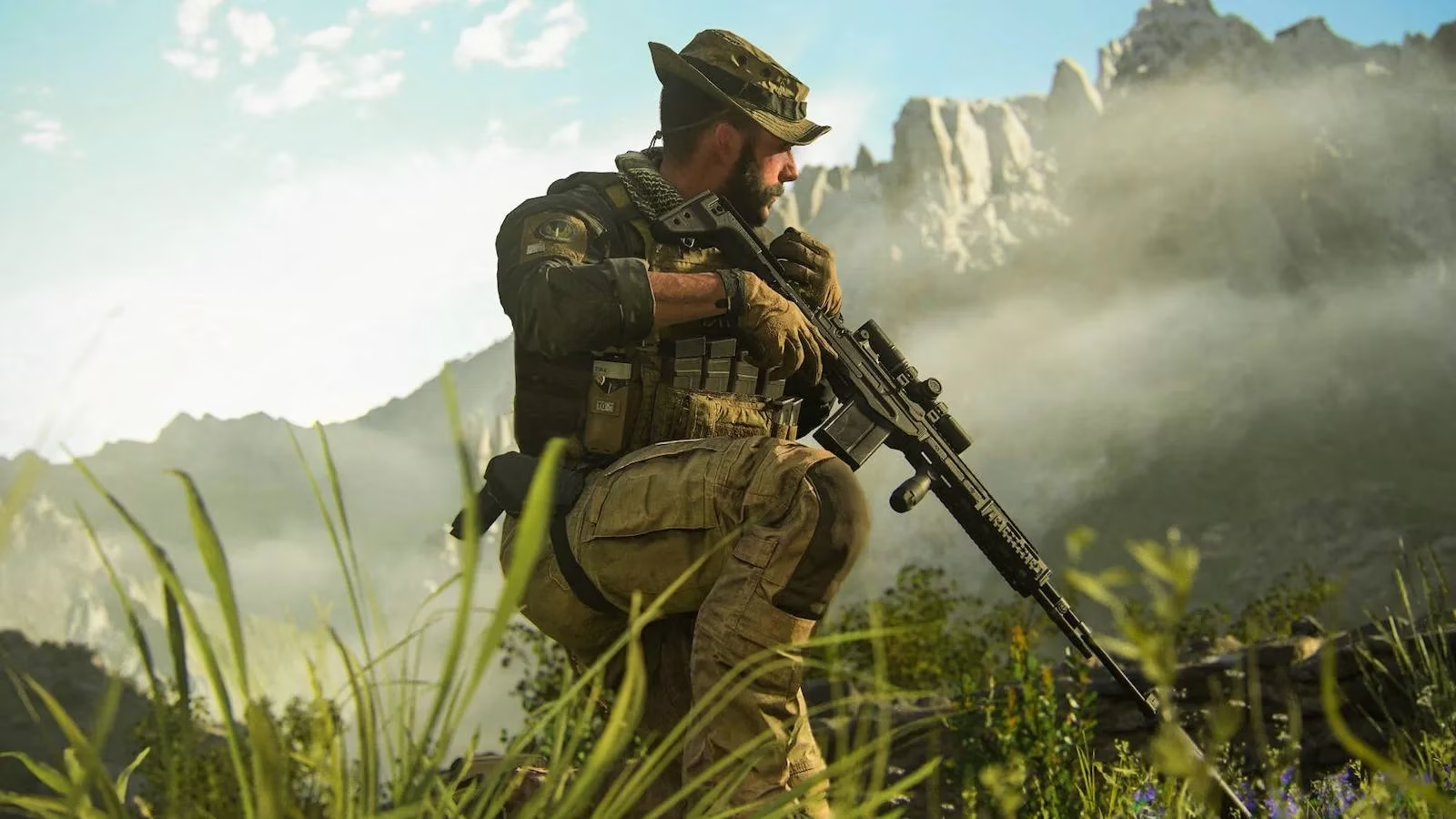
Sledgehammer Games, however, moved with the precision of a pit crew changing tires on a Formula 1 car. Before the beta could even sweat through its first weekend, a balance update landed like a surgeon’s scalpel. Battle Rage’s maximum duration was sliced from ten seconds down to six. Kills no longer turned you into a perpetually regenerating juggernaut because the duration extension was ripped out completely. Health regeneration would now start only upon killing an enemy, and—critically—any incoming damage would interrupt that regen. The boosted regen speed was deleted outright. Suddenly, Battle Rage transformed from a “win the next three gunfights for free” ace-in-the-hole into a high-risk, high-reward stimulant that required smart timing.
I remember refreshing my feed and seeing the community reaction swing from frustration to cautious applause. One thread blasted with optimistic memes, and a common sentiment surfaced: this quick adjustment was a glowing sign that MW3’s live-service skeleton would be more flexible and responsive than past titles. The metaphorical goldilocks tuning arrived so fast that it felt like Sledgehammer had been waiting with a pre-written patch, ready to strike. A friend in my squad compared the original Battle Rage to a freight train without brakes—unstoppable until something finally derailed it—and the nerf was the overdue track switch that saved the station.
Yet not everyone was ready to hand out medals. I saw several veteran voices drawing parallels to Call of Duty: Vanguard, where Sledgehammer’s beta support was a masterclass in engagement—quick fixes, clear communication, and a real sense of partnership with players. But once Vanguard launched, the rhythm faltered; balance patches became less frequent, and some broken mechanics overstayed their welcome. Those murmurs cast a shadow over the Battle Rage nerf. Would the launch window sustain this sharp cadence, or were we watching the opening act of a show that would lose its script?
Looking back from 2026, I can say the road wasn’t perfectly smooth. MW3’s post-launch cycle had its share of turbulence—some metas overstayed, and certain weapons needed multiple passes before finding their groove. But that beta nerf remained a touchstone moment. It proved that when a developer listens during those formative days, the community sits up and pays attention. For me, Battle Rage’s journey from an overpowered monstrosity to a carefully calibrated tool became a permanent reminder: betas aren’t just about server stress tests; they’re about trust. And trust, once earned, can carry a game through its first shaky months and well into its third year.
As detailed in Digital Foundry, close technical scrutiny can shape how players interpret a beta’s “feel” beyond raw balance—frame-time stability, input latency, and platform-specific performance quirks can all amplify (or mask) the impact of something like an overpowered stimulant perk. In a competitive shooter where a six-second window decides fights, even subtle shifts in responsiveness can change whether Battle Rage reads as a fair risk tool or an oppressive advantage.
Leave a Comment